
The Alexander Technique Cape Town
Wytske van der Meulen
Benefits of the Alexander Technique
Greater ease and freedom in your movements
The Alexander Technique helps us to improve the use of our whole body. It helps to alleviate pain, tension, and stiffness, allowing us to experience greater ease and freedom in our movements. The technique helps us letting go of long-held tension, both mental and physical.
The Alexander Technique can help you overcome:
- back pain
- neck and shoulder tension
- stiffness of joints
- stress
- respiratory problems
- digestive problems
- repetitive strain injury
- frozen shoulders
- arthritis
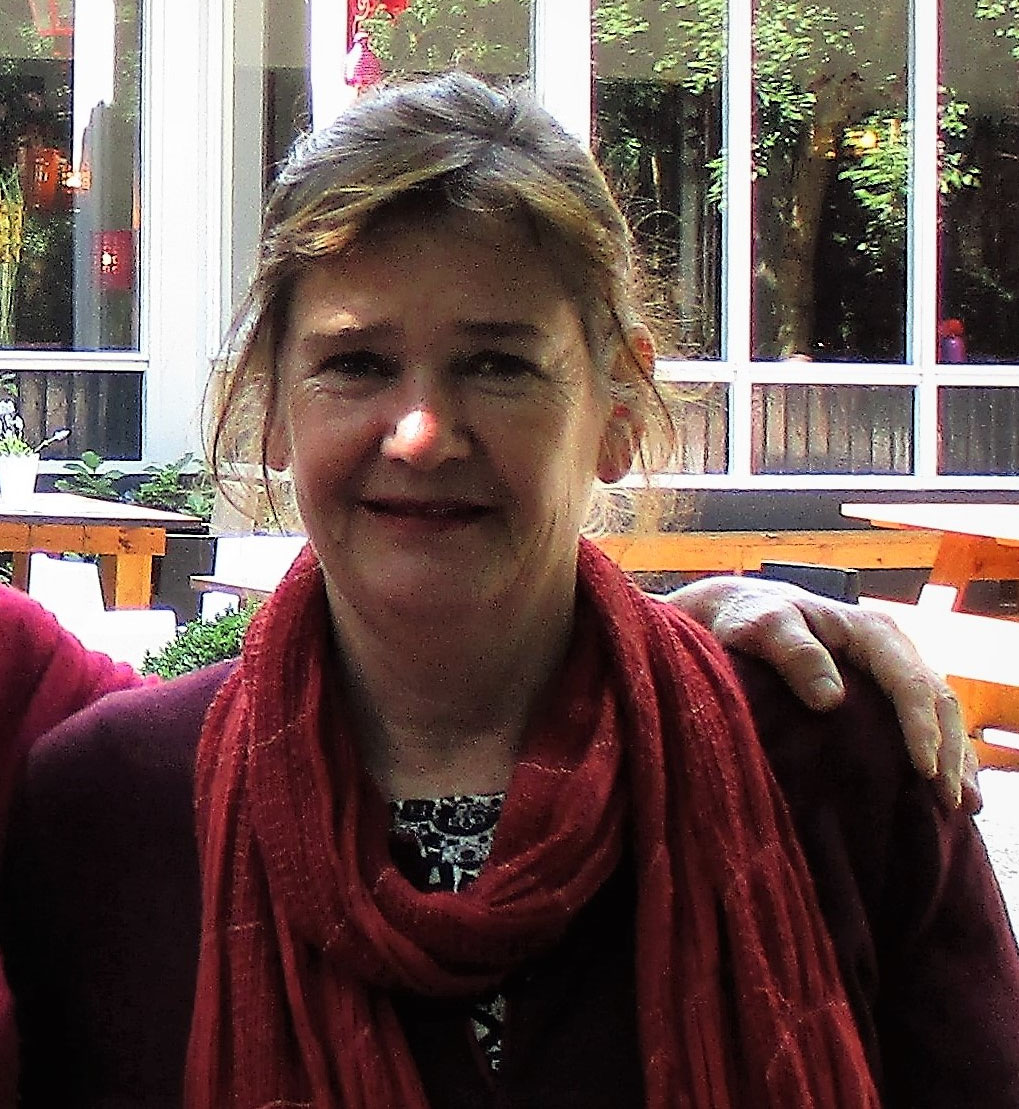
About Me
Wytske van der Meulen
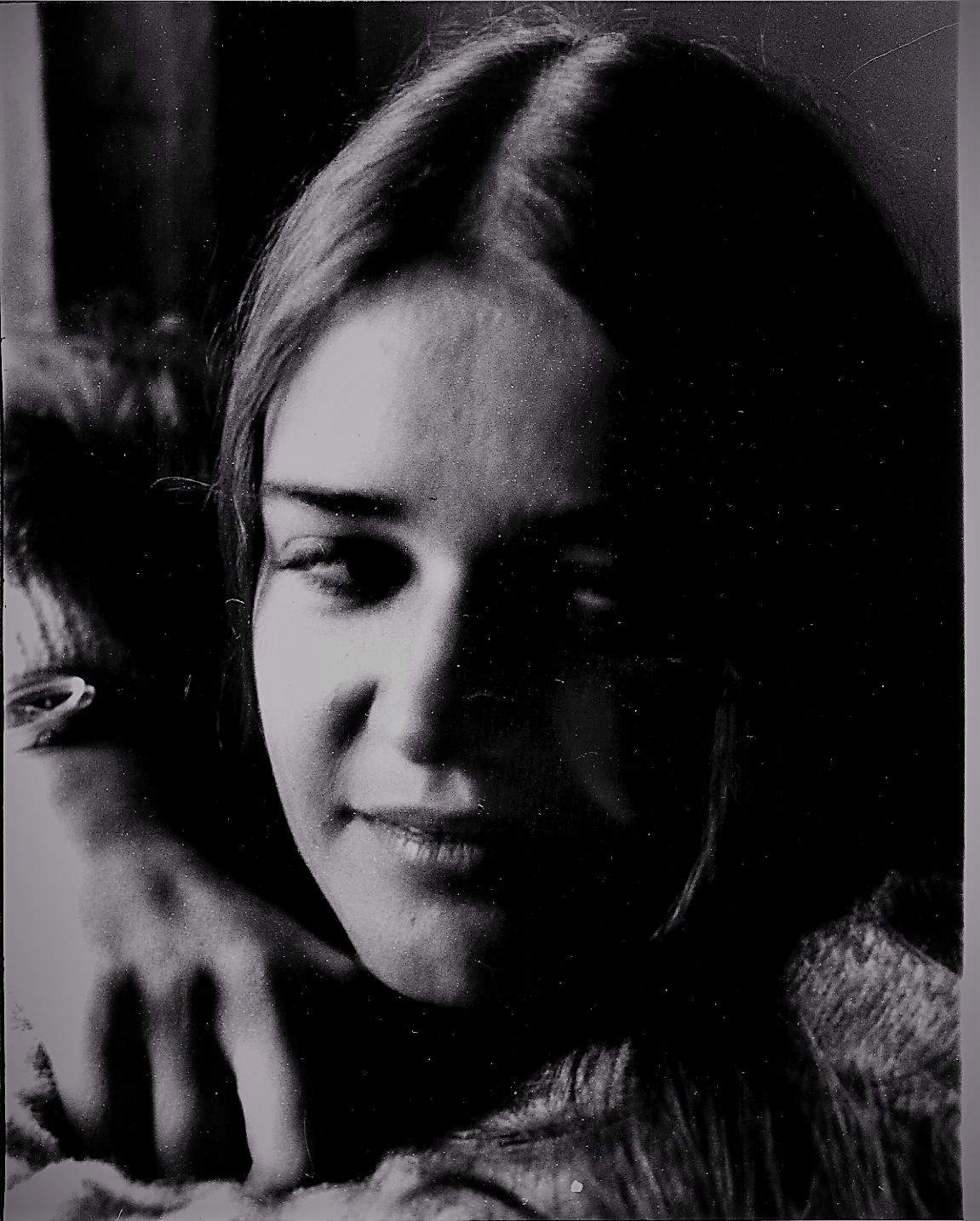
Wytske van der Meulen is a recognized teacher of the Society of the Alexander Technique (STAT), the Netherlands society (Nevlat) and the South African society of the Alexander Technique (Sastat).
Wytske was born in the Netherlands in 1954, but spent most of her youth in South Africa when her parents decided to emigrate in the 1960’s. Her interests have always been in art and teaching. Wytske studied art in Belgium at the ‘Koninklijke Academie voor Beeldende Kunsten’ in Antwerp and completed her BA Fine Arts degree in 1986 at the University of Cape Town. Prior to this, she completed her General and Higher Teacher’s Diplomas at UCT and enjoyed being an art teacher in Cape Town for over 25 years.
From 1990–2009, Wytske taught art at the Frank Joubert Art Centre, Newlands, Cape Town, specialising in ceramics, child art and adult education.
She helped to initiate the Ibhabhathane (butterfly) Project since 1998, helping learners from previously disadvantaged schools to experience lessons in visual art and to visit exhibitions at museums and galleries in Cape Town, linking these up with innovative practical workshops.
She has been acknowledged for her work by being awarded the Regional Teachers Award, ‘Excellence in Primary School Leadership’, in 2007 by the Western Cape Department of Education.
Wytske also exhibits her own work at galleries in Cape Town, Johannesburg and Amsterdam, selling paper printed kites, small bronze and ceramic works.
She was first introduced to the Alexander Technique in 1982 when she received lessons from Yvonne Becker in Cape Town. The Technique improved her posture, her general coordination and well-being. In 1998 the Alexander Technique helped her to rehabilitate after a major fall, fracturing bones in both her leg and her hand.
Wytske trained as an Alexander teacher with Paul Versteeg and Tessa Marwick in Amsterdam from 2009–2012.
She has an Alexander Studio in Newlands, and at her house in Imhoff’s Gift, Kommetjie, Cape Town.
What is the Alexander Technique?
The Alexander Technique is a simple, practical method for improving ease of movement & co-ordination. Individuals from all walks of life & all ages can benefit from it.
The Alexander Technique helps millions of people across the world to naturally overcome:
- Muscle tension
- Back, neck and joint pain
- Poor posture
- Breathing and vocal problems
- Stress related conditions
People use the Alexander Technique to:
- Enhance performance and prevent injury in sport
- Improve presentation skills by overcoming fear and stage fright
- Become aware of how to approach daily activities, e.g. sitting, walking, working at the computer, or driving a car
- Improve the fluidity of sound when playing a musical instrument
- Improve confidence and contentedness
- Improve general well-being
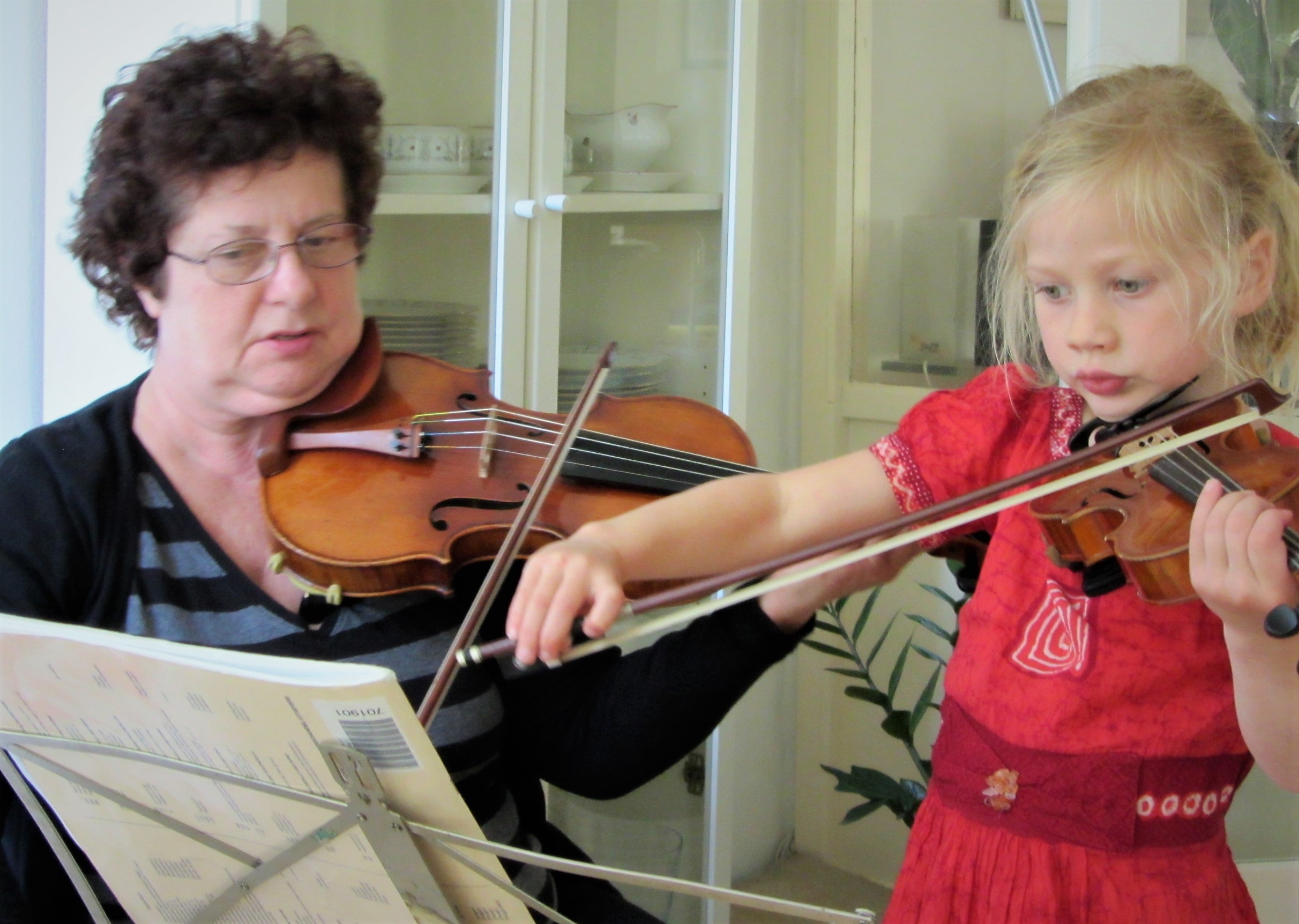
Our modern lifestyle takes its toll on our mental, physical and emotional health and as a result we develop undesirable habits which limit our potential.
Traditionally, actors, singers, sportspeople, dancers and musicians have practiced the Alexander Technique and it is part of the syllabus in many colleges of music and drama.
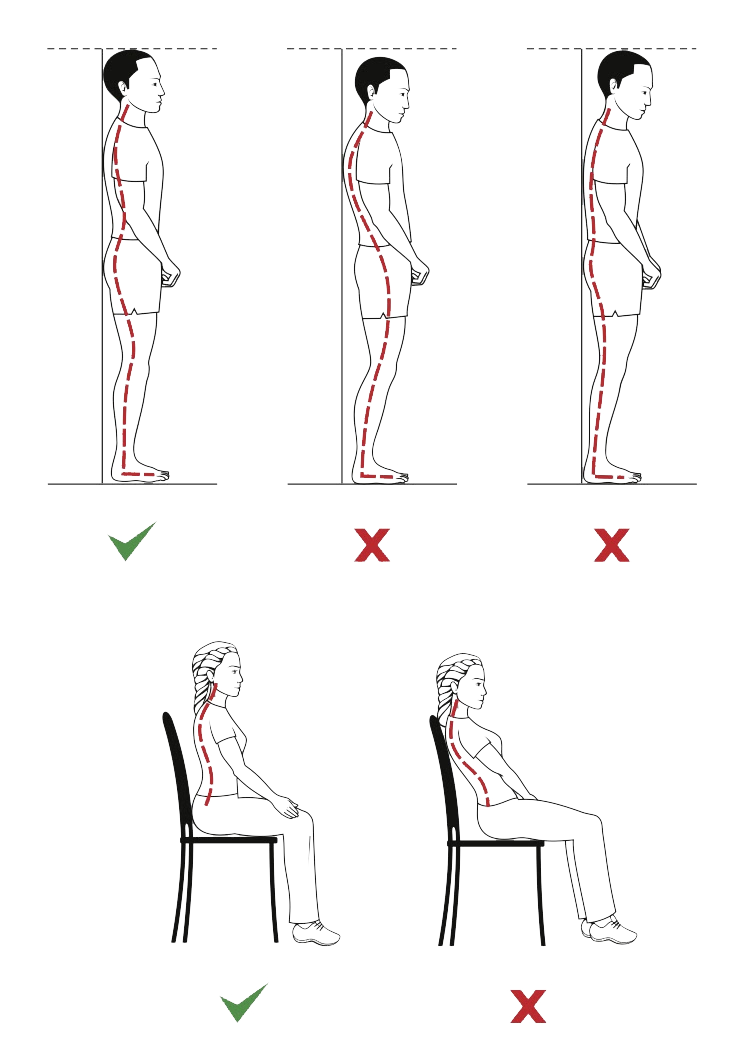
Our Habits
The Alexander Technique is a practical method to help you identify and prevent harmful postural habits that may be the cause of stress and pain.

Somehow we never imagine that we are causing our backache, stress or excess tension. We are habitual beings who are often unaware of how we misuse our bodies.
Our bad habits make us slouch in chairs, sit too long and eventually we are not able to sit up straight without effort.
We may experience symptoms such as headache, stiff neck and shoulders, back pain and repetitive strain injury.
Young children have the alertness and poise that allows them to make perfect use of their body. They sit, stand and move gracefully without strain.
The co-ordination of the head-neck-back and the integration of our body as a whole is the basis of effective performances in all activities; allowing the mechanism to work freely, as it is meant to do.
Too much stress and tension and lack of physical poise can affect our state of mind and ability to cope.
The Alexander Discovery
The Alexander Technique was developed by Frederick Matthias Alexander (1869–1955), an Australian actor and reciter who started to experience periods of hoarseness during his performances.
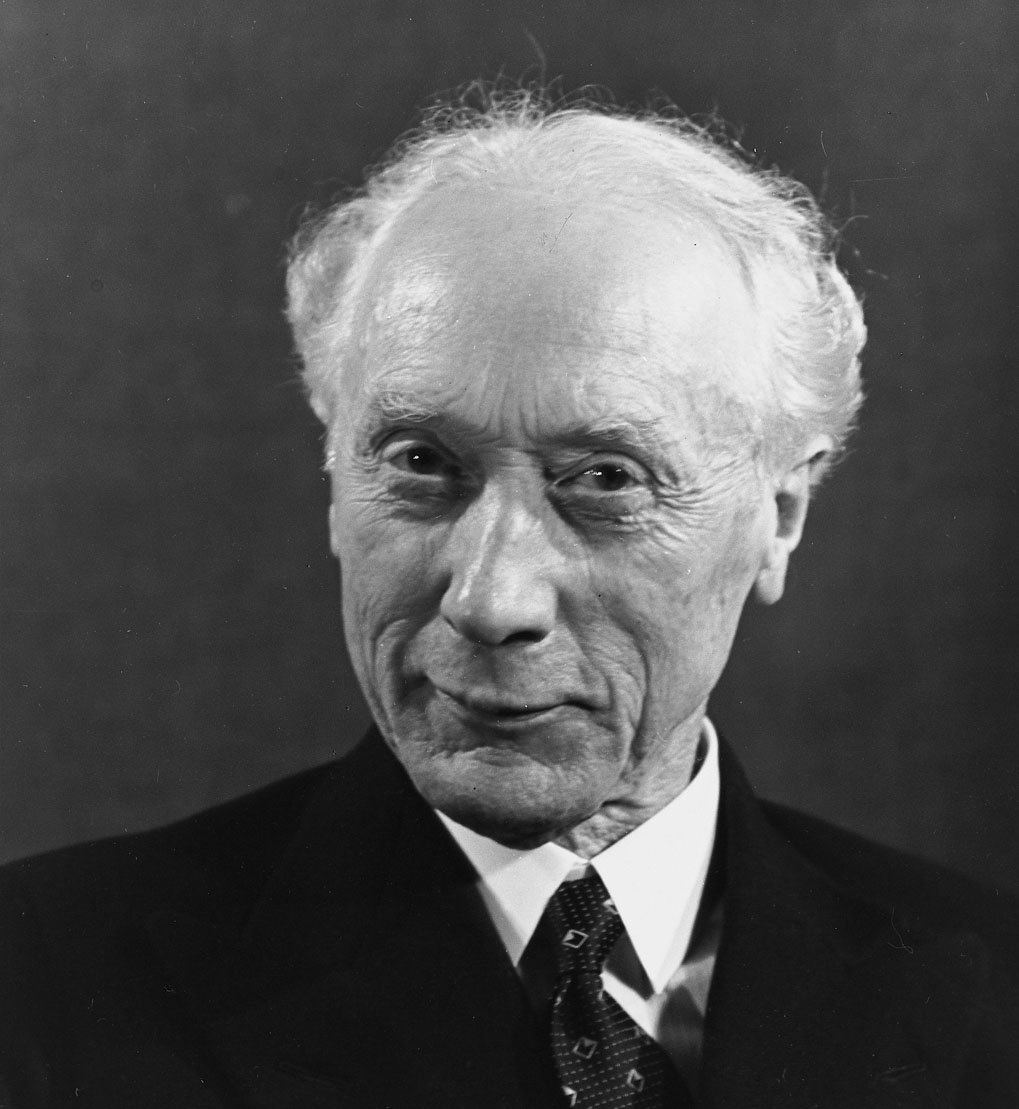
He realised that his problems were caused by the way he was interfering with his natural coordination and functions and that he had to find a way to learn how to prevent this.
After many years of patient observation, Alexander developed a new approach to co-ordination and movement. He did not only clear his vocal problems, but he also improved his general health.
Alexander moved to London in 1904. He developed and taught his technique in England and America until his death in 1955. There are now more than a thousand teachers teaching worldwide and many doctors and specialists refer patients for lessons. Research in England, America and Europe has demonstrated the effectiveness of the work.
The outstanding value of the technique in freeing and enhancing performance has been recognised in the theatre world since the beginning of the 20th century. Most of the major music and drama colleges have Alexander teachers on their staff.
The Alexander Technique is taught at the Royal College of Music and Dramatic Art in London, The Stratford Shakespearean Festival, Boston, The Juilliard School of Performing Arts, New York, Conservatory Sweelinck, Amsterdam, Conservatory Den Haag, Utrecht, and many more.
Numerous musicians, actors, athletes, swimmers and many others have benefited from the technique.
The Lesson Format
The Alexander Technique is taught on a one-to-one basis. Every lesson involves gentle guidance with the hands as well as verbal instruction. This gives the student reliable sensory information, and consciously ensures the working of the body as a whole. The student develops the attention or alertness towards the various stimuli and change by responding with more choice, both physically and mentally.
The Alexander teacher helps to make the student aware of better co-ordination. They are taught to consciously refrain from habitual interfering patterns, allowing better performance to evolve.
No special clothing is needed, as long as it is comfortable.
In general, students need 20–30 lessons to be able to apply the principles effectively in their daily life.
Alexander teachers train full-time for 3 years and all qualified teachers are members of an Alexander Teacher society.
Book a lesson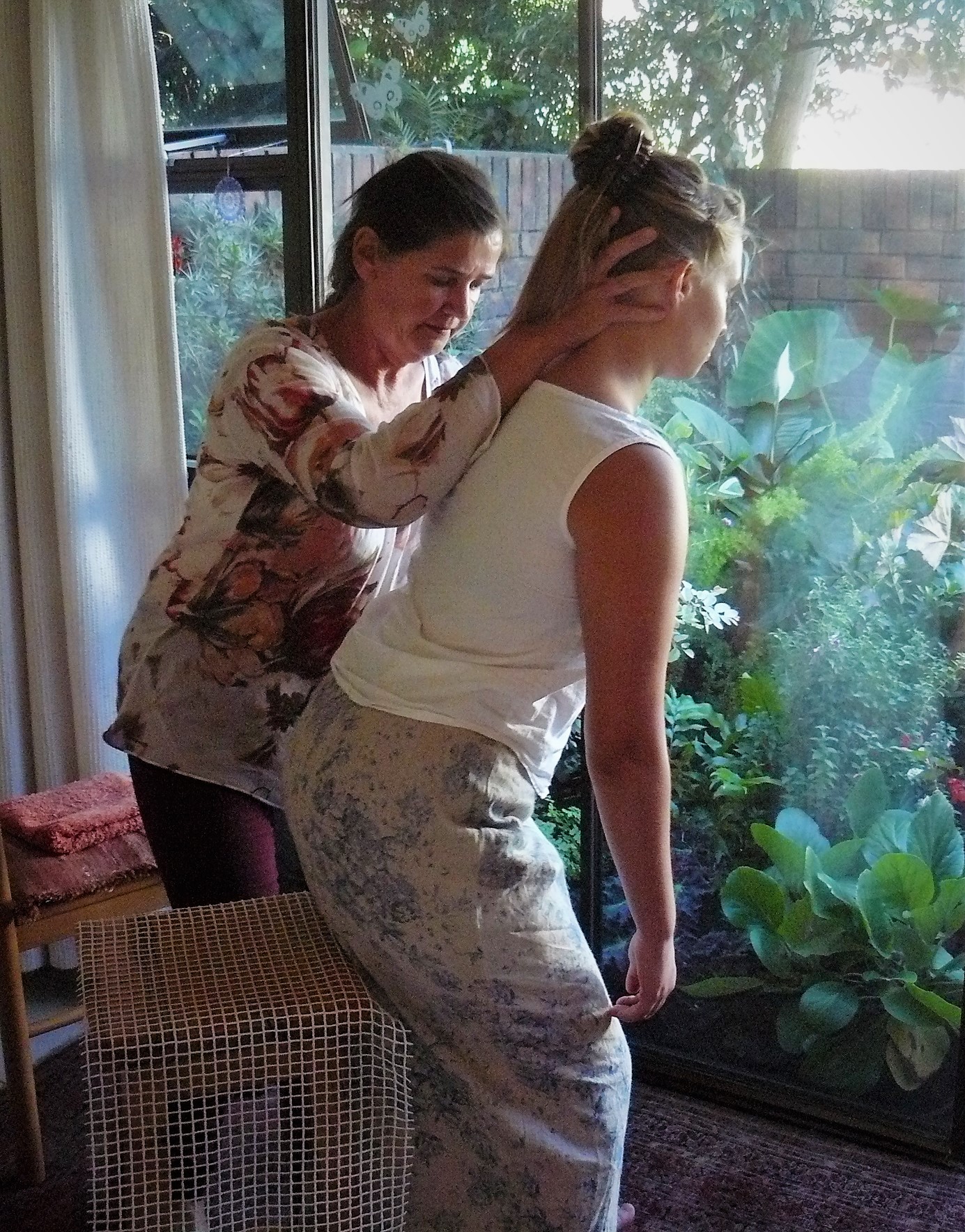
Make Contact
Regain control of your body to alleviate pain, improve posture and performance.
Wytske van der Meulen
Studio A
Peter Clark Art Centre, cnr. Keurboom and Vredenhof Road, Newlands
Studio B
9 Cormorant Circle, Imhoff’s Gift, Kommetjie